
Unlock Massive Growth With 360-Degree Marketing Now
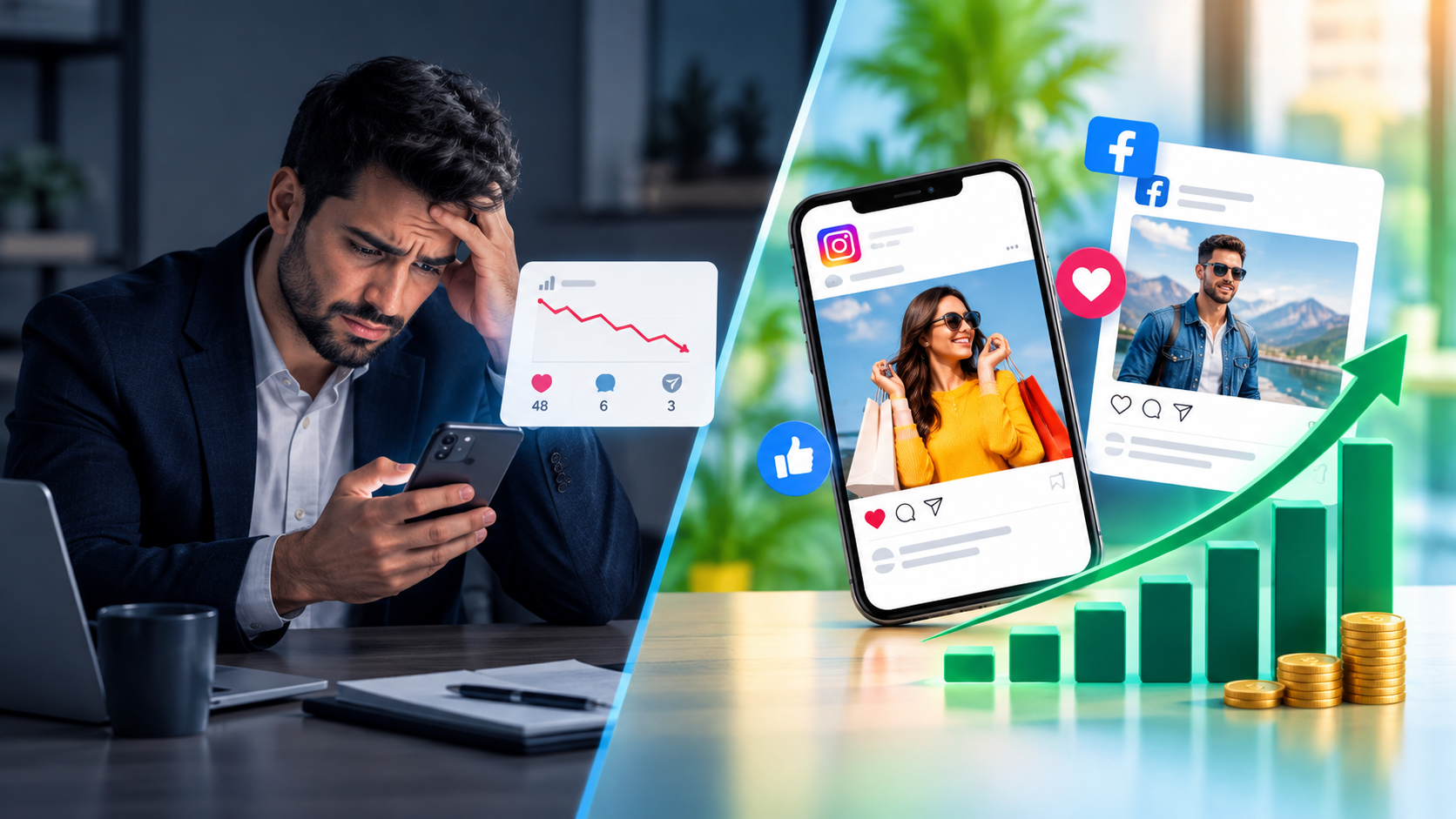
You are pouring thousands of dollars into Facebook ads, publishing regular blog posts, and sending out weekly email newsletters. Yet, when you look at your bottom line at the end of the month, the massive growth you expected just is not there. The problem isn't that your marketing channels are bad. The problem is that they are completely ignoring each other. When your marketing efforts operate in silos, you confuse your customers, bleed your budget, and leave serious revenue on the table. It is time to stop throwing tactics at the wall and start building a cohesive, revenue-generating machine.
Why Your Disconnected Marketing Is Failing
Most businesses treat their marketing like a random assortment of megaphones. The social media team shouts one message, the email marketing team shouts another, and the paid ads team is completely off-script.
This creates a chaotic experience for your audience. Modern consumers do not follow a straight, simple path to purchase. They might discover you on Instagram, read a blog post three days later, get retargeted by a Google ad, and finally convert through an email promotion.
If your messaging breaks down at any point during that journey, you lose their trust—and the sale.
Here is what happens when you lack a unified approach:
Wasted Ad Spend: You pay multiple times to acquire the same customer because your channels are not communicating.
Customer Confusion: Conflicting offers and mismatched branding make your business look unprofessional and disorganized.
Dead-End Analytics: You cannot figure out which channel is actually driving sales, making it impossible to scale what works.
Burned-Out Teams: Your staff works twice as hard to launch standalone campaigns that yield half the results.
The Power of True Omnichannel Alignment
A true 360-degree marketing approach fixes this fragmentation. It surrounds your target audience with a consistent, highly relevant message everywhere they go. Let's break down exactly how this holistic strategy transforms your business from the inside out.
Omnichannel Strategy Development
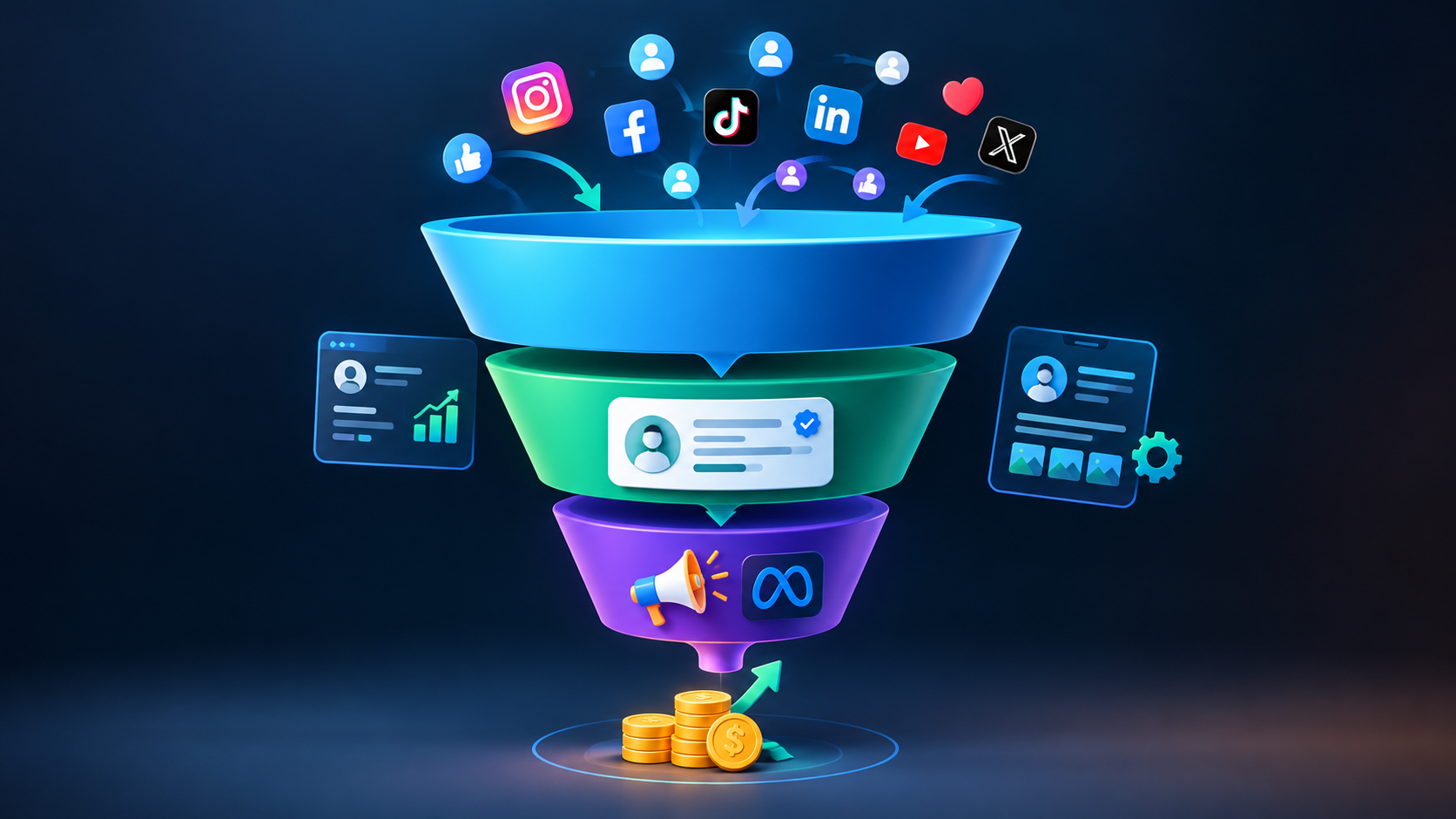
Moving from a basic multichannel setup to a true omnichannel marketing strategy requires more than simply being present on multiple platforms. It is about creating a seamless experience.
We start by mapping the entire customer journey. We need to know exactly where your ideal buyers hang out, what problems they are trying to solve, and what triggers them to finally pull out their credit cards. Once we have that data, we build a cohesive roadmap.
If a customer leaves an item in their cart on your website, they shouldn't just get a generic email reminder. They should see a dynamic ad on social media featuring that exact product, followed by a personalized SMS offering a time-sensitive discount. Every touchpoint anticipates their needs and gently pushes them toward the next logical step in the buying process. This level of customer journey mapping ensures that no lead falls through the cracks.
Integrated Branding and Campaign Execution
Having a great strategy on paper is meaningless if the execution is sloppy. This is where integrated marketing campaigns shine.
Imagine launching a new product. Instead of treating your email, social, and search efforts as separate projects, you launch a synchronized campaign. The visual identity, the tone of voice, and the core offer remain identical across every single platform.
When your audience sees your billboard on their morning commute, scrolls past your sponsored post at lunch, and reads your promotional email after dinner, the message compounds. This brand consistency across channels builds intense trust. People buy from brands they recognize, and they recognize brands that speak with one clear, unified voice.
At WebProMaze, we ensure your creative assets, copywriting, and promotional timing are perfectly aligned. Whether a customer is interacting with your brand via a podcast sponsorship or a localized search ad, they receive the exact same high-quality experience.
Cross-Platform Analytics and Reporting
You cannot improve what you cannot measure. The biggest flaw of siloed marketing is the inability to track actual performance. If a user clicks a Facebook ad on Monday but buys through an organic Google search on Thursday, which channel gets the credit?
Without advanced marketing ROI tracking, your teams will fight over attribution, and you will end up making blind financial decisions.
A 360-degree approach implements closed-loop reporting. We connect the dots between your CRM, your website analytics, and your advertising platforms. This gives you a crystal-clear dashboard showing the exact path your customers took before buying.
You will finally know exactly which platforms are introducing people to your brand, which ones are nurturing them, and which ones are driving the final sale. Armed with this data, you can aggressively scale the campaigns that generate actual revenue and ruthlessly cut the ones that only generate empty clicks.
Frequently Asked Questions
What is a 360-degree marketing campaign?
A 360-degree marketing campaign is a comprehensive strategy that utilizes multiple integrated channels—such as social media, email, SEO, paid ads, and offline media—to communicate a unified message. The goal is to reach customers at every possible point of contact seamlessly, ensuring they receive the same brand experience regardless of where they interact with you.
How is omnichannel different from multichannel?
Multichannel marketing simply means a brand uses multiple platforms (like having a website, a Twitter account, and a retail store). However, those channels often operate independently. Omnichannel marketing connects all of these platforms so they work together. In an omnichannel system, a customer's interaction on one platform directly influences their experience on the next, creating a perfectly synchronized journey.
How do you measure a 360-degree marketing strategy?
Measurement requires advanced, cross-channel attribution modeling. Instead of looking at individual platform metrics (like Facebook likes or email open rates in isolation), you track the entire customer lifecycle. Key metrics include Customer Acquisition Cost (CAC) across the entire funnel, total Return on Ad Spend (ROAS), Customer Lifetime Value (CLV), and multi-touch attribution reports that show how different channels contributed to a single sale.
What channels are included in a 360-marketing plan?
A well-rounded plan includes both digital and traditional channels tailored to your specific audience. This typically covers Search Engine Optimization (SEO), Pay-Per-Click (PPC) advertising, organic and paid social media, email marketing, content marketing (blogs, videos, podcasts), and Public Relations. It can also integrate offline channels like direct mail, print advertising, or experiential events depending on your industry.
Why is brand consistency important across platforms?
Consistency builds recognition and trust. When your messaging, design, and tone vary wildly from platform to platform, consumers view your brand as unreliable or chaotic. Presenting a consistent identity increases brand recall, making it far more likely that a consumer will choose your business over a competitor when they are finally ready to make a purchase.
How long does it take to see results from integrated marketing?
While you might see quick wins from synchronized paid advertising within the first 30 to 60 days, a full 360-degree marketing transformation is a long-term play. It typically takes three to six months to gather enough cross-platform data, optimize the customer journey, and start seeing significant, sustainable improvements in your overall return on investment.